OverviewSecurity TestingPerformance TestingDevOps TestingQuality ControlQuality AssuranceMethodologiesKubernetes
QUALITY ASSURANCE
Quality processes
Quality ProcessQuality MetricsTesting MetricsQuality MeasurementTesting FrameworkAutomation FrameworkTool Framework
You work with ATC to set "quality targets" or standards, we utilize our Quality Process procedures to ensure the deliverables are "fit for purpose".
Contact us

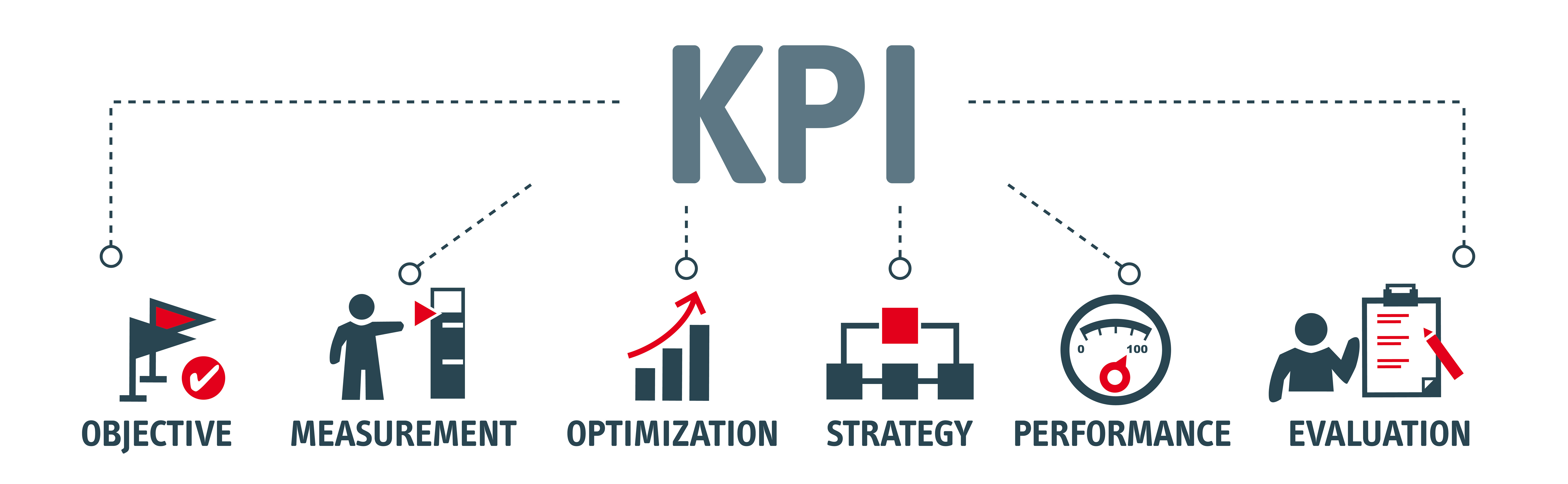
Examples of Quality Metrics

  • Customer Satisfaction -There is no better way to measure your software's quality beyond asking the customer about their experiences.
  • Ratings - The hard numbers that tell the story of your product's performance.
  • Failure Rate - The best way to ensure success is to understand how often the product fails over a period of time.
  • Mean Time Between Failures - Is your software reliable? To know this you must understand the average time between failures.
  • Quality of Service - Technical metrics such as error rates, bit rate, throughput, transmission delay and availability are hard numbers that indicate if, when, and where improvements to your software need to be made.
  • Defect Rate - The number of defects per 1000 lines of code can be considered a quality metric.
  • Continuous Improvement - Enables your team to self-organize and be accountable for improving the quality of their process. This allows your team leads to ask and possibly answer these questions: Are there certain practices that need to be shared? How do teams perform over time with certain changes injected?
Contact us
Test metrics create results: Provide evidence of the claim or prediction, understanding of what needs improved and allow inform decision making for next phase.

Types of Metrics:

  • Process Metrics: Understand how to improve your process, increase efficiency of the SDLC (Software Development Life Cycle).
  • Product Metrics: You want the best software product with the highest quality.
  • Project Metrics: Measure the efficiency of your project team, testing tools, and other principal aspects of your project.
Contact us
Quality measurements typically focus on structures or processes that have a demonstrated relationship to positive outcomes.

Three Layers of Quality:

  • Structure: Where, if any, is your software's infrastructure failing or malfunctioning? With Structural QM you can locate issues, assess possible solutions, and implement new strategies.
  • Process: Your process is key to achieving your desired outcomes. Is there a breakdown in your process? How can it be improved? QM delivers these answers.
  • Outcomes: To attain your desired outcomes the software's end user must be satisfied, and the software must fulfill your intended purpose.
Contact us
Testing framework is application independent, easy to expand, maintain and perpetuate.

An organized test framework helps you:

  • Avoid Duplication of Test Cases.
  • Organize your Team's Test Suites.
  • Improve Testing Efficiency.
  • Lower Maintenance Costs.
  • Maximize Test Coverage.
  • Minimize Need for Manual Intervention.

Contact us
ATC works with you to overcome these nightmare scenarios.

Advantage of Automation Framework

  • Application Independent
  • Scalable and Maintainable
  • Reusability of code
  • Recovery scenario
  • Low-cost maintenance
  • Minimal manual intervention
  • Easy Reporting
Contact us
The testing tools framework of ATC consists of test management and execution tools, cloud-based device lab, performance and security testing tools.
Contact us